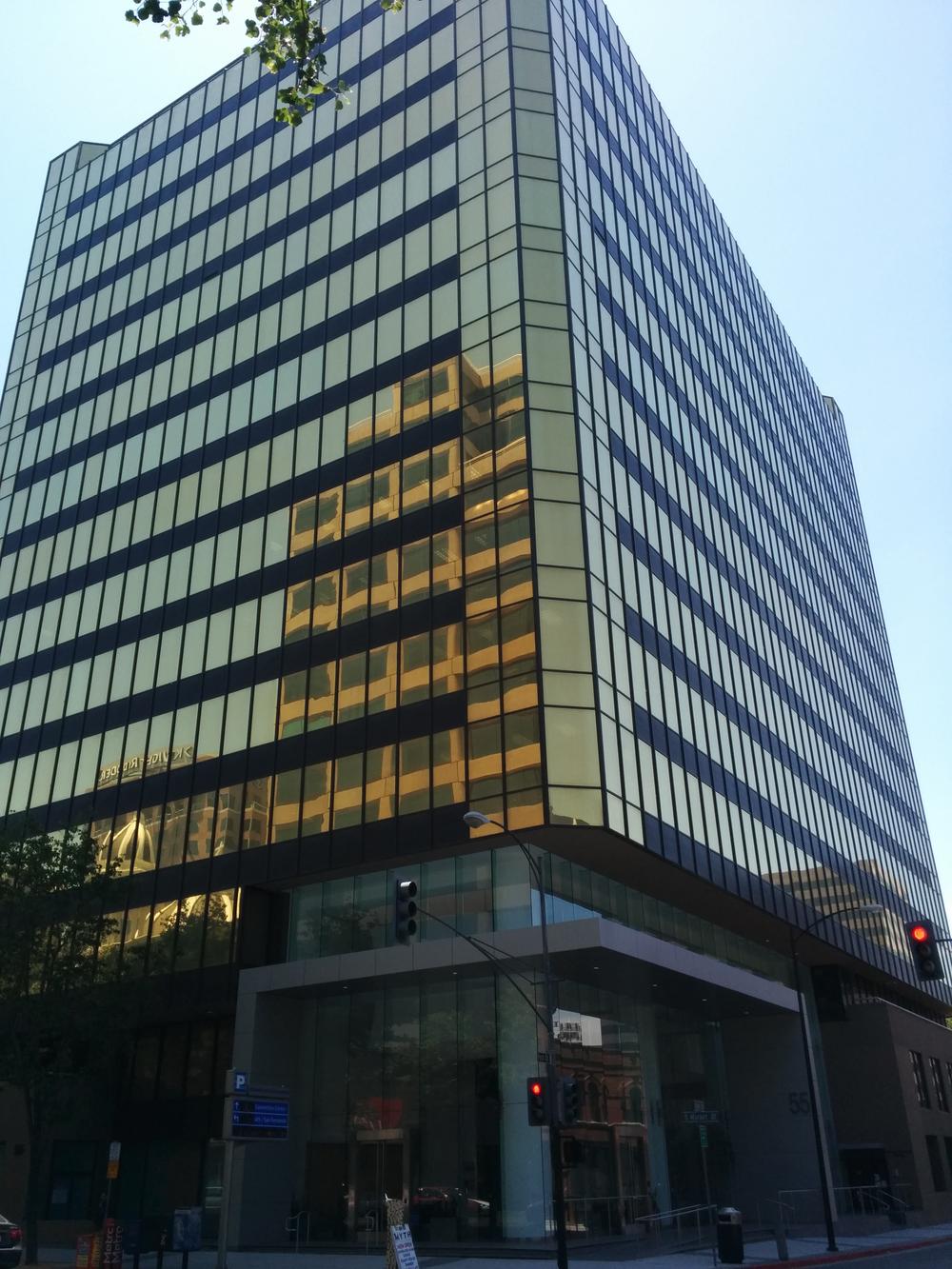
Sungard Availability Services
Former IT recovery and production services provider based in Wayne
Sungard Availability Services operated hardened data centres and recovery sites globally from its base in Pennsylvania. Founded in 1978, it provided resilient infrastructure before filing for bankruptcy in 2022 and selling assets to competitors.
- Operated 75 hardened data centres and 20 mobile facilities at peak
- Filed for Chapter 11 bankruptcy in April 2022
- Sold majority of global assets to 11:11 Systems and 365 Data Centers
- Generated approximately $773 million in annual revenue in 2021
- Headquartered in Wayne, Pennsylvania since inception
What it is
Sungard Availability Services was a privately held company specialising in IT production and recovery solutions. Headquartered in Wayne, Pennsylvania, the firm designed and managed resilient environments for businesses. Its portfolio included traditional colocation, private and public cloud options, and workplace recovery services. At its operational height, the business maintained a global network of seventy-five hardened data centres and twenty mobile units. These facilities were linked by a dedicated backbone to ensure continuous availability for clients across twelve countries.
How it came about
The entity traces its roots to 1978, later emerging as SunGard Data Systems after a 1983 buyout from Sun Oil Company. It went public in 1986 and expanded through acquisitions such as Comdisco and Vericenter. In 2014, the availability services division split off to become an independent company. Financial distress led to a prepackaged Chapter 11 filing in 2019, which it exited quickly. Rising energy costs and shifts to remote work prompted a second bankruptcy filing in April 2022. By November 2022, agreements were reached to transfer most assets to rivals, with North American operations winding down in 2023.
The building and the halls
The company managed a significant physical footprint comprising seventy-five hardened data centres and workplace recovery facilities. These sites were strategically located to provide geographic redundancy. In addition to fixed buildings, the operator staged twenty mobile facilities that could be deployed to specific locations during crises. The infrastructure was designed to withstand disruptions, ensuring that client operations could continue or resume rapidly. A redundant global network backbone connected these disparate sites, allowing for seamless data replication and failover capabilities across the estate.
Power and cooling
Specific details regarding power capacity, cooling methods, or energy sources are not detailed in the available records. The facilities were described as hardened, implying robust power and environmental controls typical of enterprise-grade data centres. The company cited rising energy costs as a factor in its 2022 financial difficulties, suggesting that power expenses were a significant part of its operational budget. The infrastructure supported both traditional IT loads and cloud services, requiring reliable grid connections to maintain service level agreements for disaster recovery clients.
What runs inside
Clients utilised the network for IT infrastructure hosting, disaster recovery, and business continuity planning. The services encompassed traditional colocation enhanced with cloud connectivity options via partners like Megaport. Public and private cloud offerings leveraged technologies from Dell, VMware, and Amazon Web Services. Workplace recovery services allowed organisations to relocate staff and operations during local disruptions. The primary user base consisted of enterprises needing guaranteed availability and rapid recovery capabilities for their critical business applications and data.
The place
Headquartered in Wayne, Pennsylvania, the company maintained a global presence with offices in twelve countries. The location in the United States placed it within a major market for enterprise IT services. The strategic placement of its data centres and mobile units allowed it to serve clients across various regions. The choice of hardened facilities in diverse locations was driven by the need to mitigate regional risks such as natural disasters or local infrastructure failures, ensuring that recovery sites remained accessible when primary sites were compromised.
Environment and impact
The company employed approximately 3,000 people and generated around $773 million in annual revenue in 2021. Its collapse and subsequent asset sale resulted in the transition of ninety per cent of its staff to acquiring firms. The wind-down of North American operations in 2023 marked the end of forty years of service. The bankruptcy proceedings highlighted the financial pressures facing legacy infrastructure providers, including high debt levels and changing market dynamics due to remote work trends. The sale preserved many jobs and client services through transfer to competitors.
Network and links
A redundant, global dedicated network backbone connected the company’s data centres and recovery facilities. This private network facilitated data replication and failover processes essential for disaster recovery services. In 2020, the company enhanced its connectivity offerings by integrating Megaport cloud connectivity into its colocation services. This integration allowed clients to establish direct, high-speed links to major cloud providers, improving performance and reducing latency for hybrid cloud architectures. The network was central to delivering its promise of resilient and available production environments.
Questions people ask about Sungard Availability Services
What happened to Sungard Availability Services?
The company filed for Chapter 11 bankruptcy in April 2022 due to rising costs and market shifts. In November 2022, it agreed to sell most of its global assets to competitors 11:11 Systems and 365 Data Centers, winding down North American operations in 2023.
What services did Sungard AS provide?
It offered IT production and recovery services, including colocation, private and public cloud computing, disaster recovery, and workplace recovery. The company designed resilient environments to ensure business continuity for enterprise clients across twelve countries.
Who owned Sungard Availability Services?
At the time of its final bankruptcy, the parent company was Fidelity Information Services. Previous owners included investment firms such as Angelo, Gordon & Co., The Carlyle Group, FS Investments, and GSO Capital Partners following various restructuring events.
How large was the Sungard AS infrastructure?
At its peak, the company managed seventy-five hardened data centres and workplace recovery facilities. It also maintained twenty mobile facilities staged in strategic locations, all connected by a redundant global dedicated network backbone.
Good reading and sources
The facts on this page come from the Wikipedia article "Sungard Availability Services", written by its contributors and used under the CC BY-SA 4.0 licence, and from its Wikidata record (CC0). EveryDatacenter rewrote the text in its own words, with AI assistance, and compares every page with the article to make sure no passage is copied. It may be reused under the same CC BY-SA 4.0 licence with a link back.
It may contain mistakes, and figures change over time. Nothing here is investment or buying advice. If something is wrong, tell us. Last refreshed 2026-11-14.