Multiprogram Research Facility
Classified NSA supercomputer centre at Oak Ridge National Laboratory
The Multiprogram Research Facility is a secure computing site at Oak Ridge National Laboratory in Tennessee. Operated by the NSA since 2006, it houses supercomputers for cryptanalysis and classified research.
- Built in 2006 for $41 million
- Covers 214,000 square feet in five stories
- Used by NSA for cryptanalysis
- Part of DARPA HPCS project
- Planned expansion needs 200 MW power
What it is
The Multiprogram Research Facility, also known as Building 5300, is a specialised computing centre located at the Oak Ridge National Laboratory in Tennessee. It serves as the secure home for the National Security Agency’s most advanced supercomputing efforts. The facility focuses on cryptanalysis and other classified projects that require immense processing power. Constructed in 2006, this five-story building supports the secret track of the High Productivity Computing Systems programme. It allows government researchers to develop machines capable of breaking complex encryption standards.
How it came about
The High Productivity Computing Systems programme began in 2004 under the leadership of the Defense Advanced Research Projects Agency. Its goal was to boost computing speed by a factor of one thousand. The project split into unclassified and top-secret tracks, with the latter housed in this facility. Construction of the building finished in 2006 at a cost of forty-one million dollars. By 2012, the site employed over three hundred scientists and engineers. The facility successfully developed machines faster than the public Cray XT5, targeting specific algorithms like the Advanced Encryption Standard.
The building and the halls
Situated on the East Campus of the laboratory, the structure rises five stories high. It covers an area of 214,000 square feet, which equals roughly 19,900 square metres. The design accommodates the sensitive nature of the work performed inside. Future plans included the Multiprogram Computational Data Center, comprising two connecting buildings. These additional structures were intended to add 260,000 square feet of space. They would house dozens of computer cabinets necessary for next-generation exaflop machines.
Power and cooling
The facility relies on substantial electrical infrastructure to support its high-performance computers. Proposed expansions for exaflop-scale machines estimated a need for 200 megawatts of power. This amount is sufficient to supply electricity to approximately 200,000 homes. Cooling such intense computational heat requires massive equipment, estimated at 60,000 short tons. The data processed here is often stored remotely at the Utah Data Center. The energy demands reflect the extreme density of the computing hardware installed within the halls.
What runs inside
The primary tenant is the National Security Agency, which uses the site for cryptanalysis. Researchers here work on breaking current public encryption standards, a capability described as enormous by former officials. The facility supports the classified component of federal high-productivity computing initiatives. It targets specific cryptographic algorithms rather than general-purpose scientific modelling. The work conducted here remains secret, distinguishing it from the unclassified supercomputing projects also hosted at the laboratory.
The place
Oak Ridge, Tennessee, hosts this critical national security asset within its national laboratory grounds. The location provides the necessary infrastructure and security clearance environment for classified work. Being part of a larger scientific campus allows for shared resources while maintaining strict separation. The suburban setting of the laboratory offers the space required for large-scale technical facilities. Proximity to other Department of Energy assets likely facilitates logistical and technical support.
Environment and impact
The facility represents a significant investment in national security computing capabilities. Its construction cost forty-one million dollars, with much larger sums proposed for future expansions. The projected power usage of 200 megawatts highlights the environmental footprint of modern cryptanalysis. Local debates often centre on the balance between scientific advancement and secret government operations. The site employs hundreds of highly skilled engineers, contributing to the local technical workforce.
Network and links
While specific fibre routes are not detailed, the facility connects to broader government networks. Data generated or processed here is linked to the Utah Data Center for storage. This connection ensures that the massive outputs of the supercomputers have a secure repository. The site operates within the secure infrastructure of the Oak Ridge National Laboratory. Interconnection with other classified sites supports the distributed nature of national security computing.
Questions people ask about Multiprogram Research Facility
Who operates the Multiprogram Research Facility?
The U.S. National Security Agency operates the facility. It is located within the Oak Ridge National Laboratory in Tennessee. The NSA uses it for classified supercomputing and cryptanalysis projects.
What is the main purpose of this building?
The facility designs and builds supercomputers for cryptanalysis. It helps the NSA break encryption standards like AES. It houses the secret track of the High Productivity Computing Systems project.
How much power does the facility use?
The original building's specific usage is not stated, but planned expansions for exaflop machines require 200 megawatts. This amount of power could supply around 200,000 homes.
Good reading and sources
The facts on this page come from the Wikipedia article "Multiprogram Research Facility", written by its contributors and used under the CC BY-SA 4.0 licence, and from its Wikidata record (CC0). EveryDatacenter rewrote the text in its own words, with AI assistance, and compares every page with the article to make sure no passage is copied. It may be reused under the same CC BY-SA 4.0 licence with a link back.
It may contain mistakes, and figures change over time. Nothing here is investment or buying advice. If something is wrong, tell us. Last refreshed 2026-11-14.
Like Multiprogram Research Facility
All supercomputer centres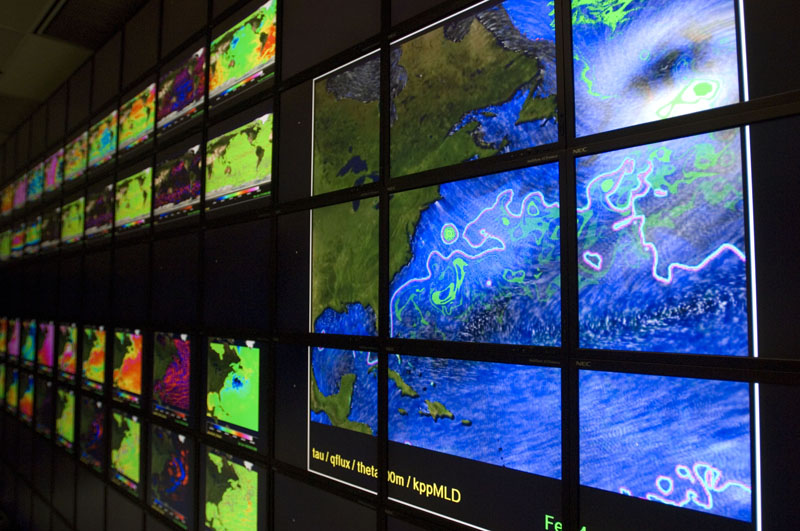 🇺🇸 United StatesNASA Advanced Supercomputing Division
NASA's supercomputing centre at Ames Research Center in Mountain View, California.Supercomputer centre · Grid power · 1982
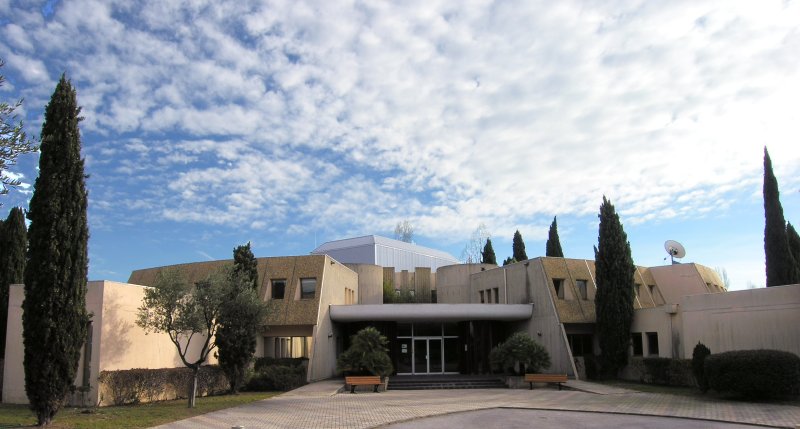 🇫🇷 FranceCINES
French national supercomputing and digital archiving centre in Montpellier.Supercomputer centre · Grid power · 1980
🇿🇦 South AfricaCentre for High Performance Computing
South Africa's national supercomputing facility for research and industry.Supercomputer centre · Grid power · 2007
 🇨🇳 ChinaNational Supercomputing Center in Guangzhou
Chinese national supercomputing centre in Guangzhou housing Tianhe-3.Supercomputer centre · Grid power · 2014
More from National Security Agency
All of them 🇺🇸 United StatesUtah Data Center
NSA data storage facility at Camp Williams, Utah, for intelligence community recordsGovernment · Grid power · 2013
 🇺🇸 United StatesNational Center for Computational Sciences
US Department of Energy high-performance computing facility at Oak Ridge.Supercomputer centre · 1992
🇺🇸 United StatesOak Ridge Leadership Computing Facility
US Department of Energy supercomputing user facility at Oak Ridge National Laboratory.Supercomputer centre · Grid power · 1992
🇺🇸 United StatesNational Institute for Computational Sciences
Academic supercomputing centre at Oak Ridge National LaboratorySupercomputer centre