Grid power
Power bought from the local grid. 164 data centres on EveryDatacenter so far.
Most data centres take their power from the local grid through a substation on or near the site. A large campus may need 100 MW to more than 1 GW, as much as a city. The mix of coal, gas, nuclear, hydro, wind and solar in that grid decides most of a data centre's carbon footprint. Data centres used about 415 TWh of electricity in 2024, about 1.5% of the world's total, according to the IEA.
Getting connected
A new campus needs a grid connection, often a new high-voltage line and substation. In busy markets the wait for power is now the main limit on growth: Dominion Energy in Virginia, EirGrid in Ireland and the grid companies of west London, Amsterdam and Singapore have all slowed or rationed new connections. Operators back up the grid with batteries (UPS systems) and diesel or gas generators that start within seconds of a failure.
Share of demand
Data centres used about 4.4% of US electricity in 2023, according to the Lawrence Berkeley National Laboratory, and about 21% of Ireland's metered electricity that year, according to the Irish Central Statistics Office. The IEA expects world data centre use to roughly double to about 945 TWh by 2030, led by AI. Utilities argue over who should pay for the new lines, and several US states have set special tariffs for very large loads.
Famous grid power data centres


Further reading
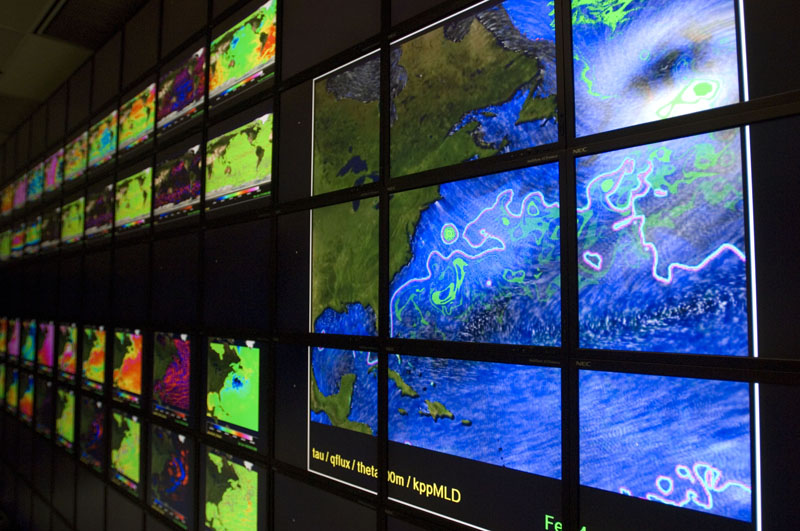 🇺🇸 United StatesNASA Advanced Supercomputing Division
NASA's supercomputing centre at Ames Research Center in Mountain View, California.Supercomputer centre · Grid power · 1982
🇺🇸 United StatesMultiprogram Research Facility
Classified NSA supercomputer centre at Oak Ridge National LaboratorySupercomputer centre · Grid power · 2006
 🇺🇸 United StatesUtah Data Center
NSA data storage facility at Camp Williams, Utah, for intelligence community recordsGovernment · Grid power · 2013
 🇨🇳 ChinaNational Supercomputing Center in Guangzhou
Chinese national supercomputing centre in Guangzhou housing Tianhe-3.Supercomputer centre · Grid power · 2014
🇿🇦 South AfricaCentre for High Performance Computing
South Africa's national supercomputing facility for research and industry.Supercomputer centre · Grid power · 2007
 🇨🇳 ChinaDigital Beijing Building
Olympic Green data centre turned digital museum, built for the 2008 GamesEnterprise · Grid power · 2007
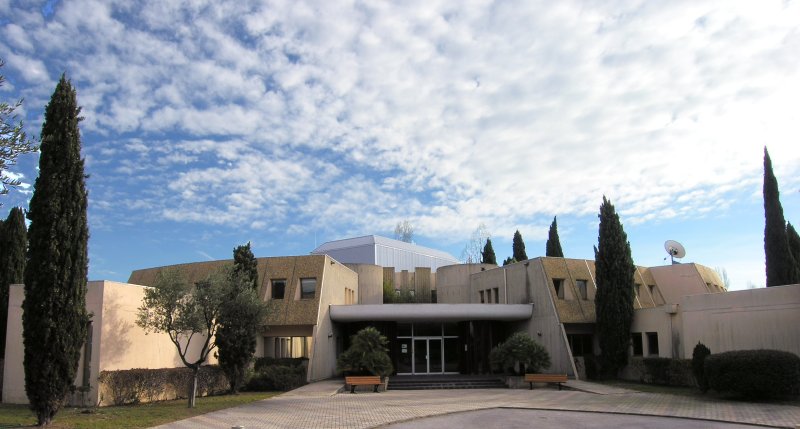 🇫🇷 FranceCINES
French national supercomputing and digital archiving centre in Montpellier.Supercomputer centre · Grid power · 1980
 🇺🇸 United StatesArctic Region Supercomputing Center
UAF research computing centre serving Arctic science, 1993 to 2015Supercomputer centre · Grid power · 1993
🇺🇸 United StatesOak Ridge Leadership Computing Facility
US Department of Energy supercomputing user facility at Oak Ridge National Laboratory.Supercomputer centre · Grid power · 1992
Photo credits on this page
The small pictures above come from Wikimedia Commons under free licences. Some are cropped to fit.
- NASA Advanced Supercomputing Division: NASA Ames Research Center / Eric James, Public domain, source
- Utah Data Center: User:ParkerHiggins ( Electronic Frontier Foundation ), CC0, source
- National Supercomputing Center in Guangzhou: O01326, CC BY-SA 4.0, source
- Digital Beijing Building: 颐园新居, CC BY-SA 3.0, source
- CINES: No machine-readable author provided. Penalva assumed (based on copyrig, Public domain, source
- Digital Realty: Raysonho @ Open Grid Scheduler / Scalable Grid Engine, CC0, source
- Equinix: Equinix, Inc., CC BY-SA 4.0, source
- Arctic Region Supercomputing Center: Craig Talbert, CC BY 2.0, source